 ACE Tree Information
ACE Tree Information
ACE Tree Information
Here's information:
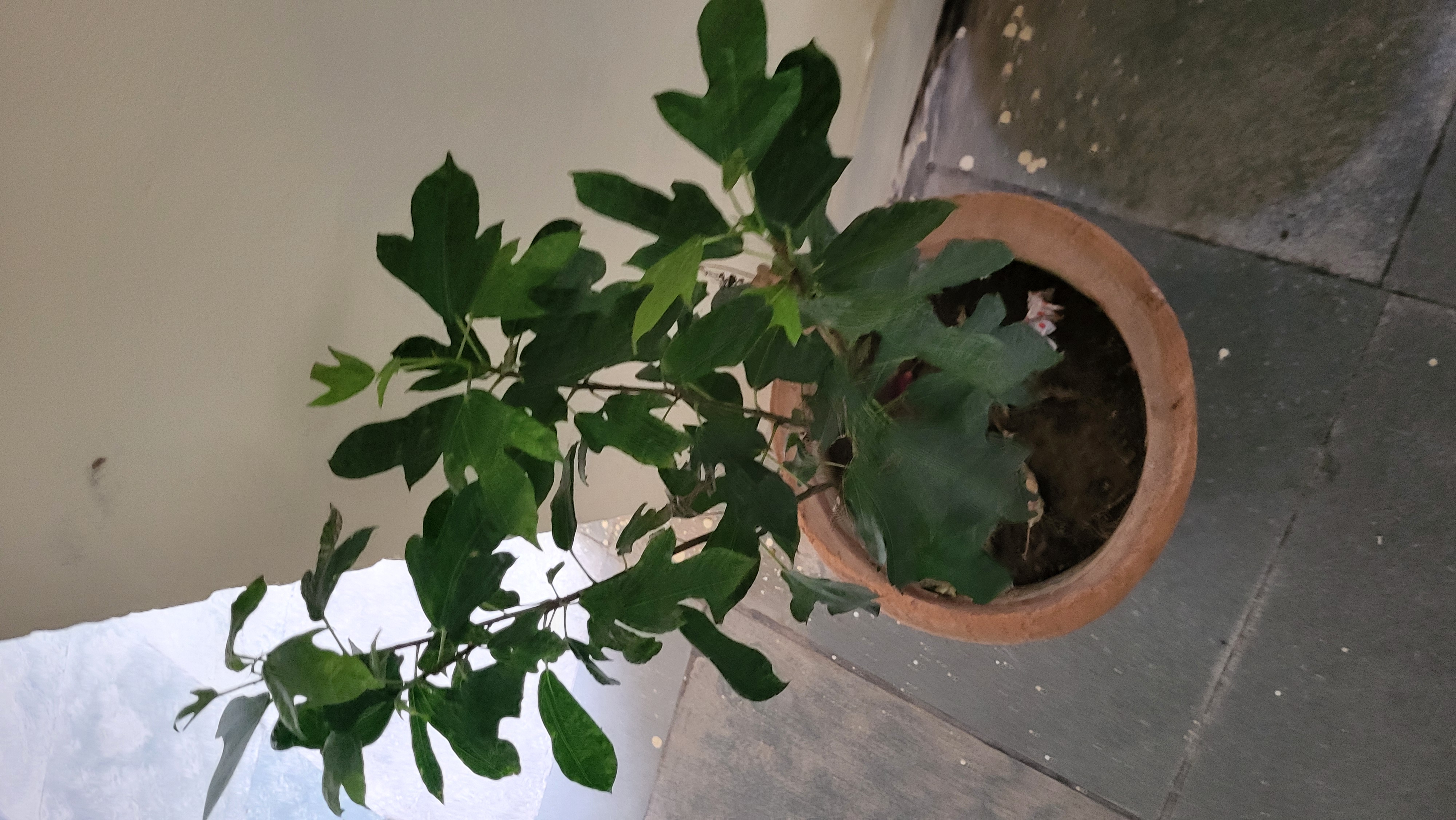
| Parameter | Details |
|---|---|
| Scientific Name | Ficus carica |
| Common Name | Fig, Common Fig |
| Family | Moraceae |
| Type | Tree |
| Leaf Type | Simple, large, deeply lobed, and rough-textured leaves. |
| Flower Color | Inconspicuous; the flowers are inside the fruit-like structure called a syconium. |
| Fruit Type | Syconium (soft, pear-shaped fruit that contains tiny seeds). |
| Water Requirements | Medium (thrives in well-drained soil and tolerates drought once established). |
| Medicinal Uses | "Yes.Figs are rich in dietary fiber and antioxidants and are used in traditional medicine for digestive health, constipation relief, and controlling blood sugar. Leaves are used for managing diabetes and cholesterol." | Medicinal Uses In Marathi | "होय. अंजीर आहारातील तंतू आणि अँटीऑक्सिडंट्सने समृद्ध आहे आणि पारंपरिक औषधांमध्ये पचन आरोग्य, बद्धकोष्ठता कमी करणे आणि रक्तातील साखर नियंत्रणासाठी वापरले जाते. त्याच्या पानांचा उपयोग मधुमेह आणि कोलेस्ट्रॉल नियंत्रणासाठी केला जातो." |
| Location in Garden | Near the main entrance |
"The **Fig** (*Ficus carica*), belonging to the Moraceae family, is a deciduous tree native to the Mediterranean region and Western Asia. It is renowned for its sweet, pear-shaped fruit, known as figs, which are rich in nutrients like dietary fiber, potassium, calcium, and magnesium. The fruit can be eaten fresh or dried and is used in a variety of culinary dishes and health products. Fig trees have large, deeply lobed leaves with a rough texture, which provide dense shade. The tree produces inconspicuous flowers inside a structure called a syconium, which later matures into the fig fruit. Fig trees are well-known for their hardiness, thriving in regions with warm, dry climates. They require moderate water and well-drained soil but are drought-tolerant once established. In traditional medicine, figs have been used for their therapeutic properties. The fruit and leaves are believed to help with digestive issues, including constipation, and have been shown to assist in managing blood sugar and cholesterol levels. The tree also contributes significantly to environmental sustainability by absorbing carbon dioxide and producing oxygen, improving air quality. Figs are cultivated worldwide, especially in home gardens and orchards, where they are valued not only for their fruit but also for their ornamental beauty and environmental benefits."
"अंजिर (Ficus carica), मोरासी (Moraceae) कुळातील एक पानगळी वृक्ष आहे, जो भूमध्य प्रदेश आणि पश्चिम आशियाचा मूळ निवासी आहे. हा वृक्ष आपल्या गोड, नाशपातीसारख्या आकाराच्या फळांसाठी प्रसिद्ध आहे, ज्याला अंजिर म्हणतात. अंजिर आहारातील तंतू, पोटॅशियम, कॅल्शियम आणि मॅग्नेशियमसारख्या पोषक घटकांनी भरलेले असते. हे ताजे किंवा सुकवून खाल्ले जाऊ शकते आणि विविध खाद्यपदार्थ तसेच आरोग्यवर्धक उत्पादनांमध्ये वापरले जाते. अंजिराच्या झाडाला मोठी, खोलवर विभागलेली आणि खरखरीत पोत असलेली पाने असतात, जी चांगली सावली देतात. हा वृक्ष सायकोनियम (syconium) नावाच्या विशेष संरचेमध्ये फुले फुलवतो, जी नंतर अंजिराच्या फळांमध्ये विकसित होतात. अंजिराची झाडे त्यांच्या टिकाऊपणासाठी प्रसिद्ध आहेत आणि उष्ण, कोरड्या हवामानात चांगली वाढतात. त्यांना मध्यम प्रमाणात पाणी आणि चांगल्या निचऱ्याची माती आवश्यक असते, परंतु एकदा रुजल्यावर ते दुष्काळास सहन करू शकतात. पारंपरिक औषधांमध्ये, अंजिराचे औषधी गुणधर्म ओळखले गेले आहेत. त्याची फळे आणि पाने पचनाच्या तक्रारी, विशेषतः बद्धकोष्ठतेवर उपयोगी मानली जातात आणि रक्तातील साखर तसेच कोलेस्ट्रॉल नियंत्रित करण्यास मदत करतात. हा वृक्ष पर्यावरणीय दृष्टीने महत्त्वाचा असून तो कार्बन डायऑक्साइड शोषून घेतो आणि ऑक्सिजन सोडून हवेची गुणवत्ता सुधारतो. अंजिराची लागवड संपूर्ण जगभरात मोठ्या प्रमाणावर केली जाते, विशेषतः घरगुती बागांमध्ये आणि फळबागांमध्ये, जिथे त्याच्या पौष्टिक फळांबरोबरच त्याच्या सौंदर्यदृष्ट्या आकर्षक आणि पर्यावरणपूरक फायद्यांसाठी याला महत्त्व दिले जाते."
Click the button below to download the file: