 ACE Tree Information
ACE Tree Information
ACE Tree Information
Here's information:
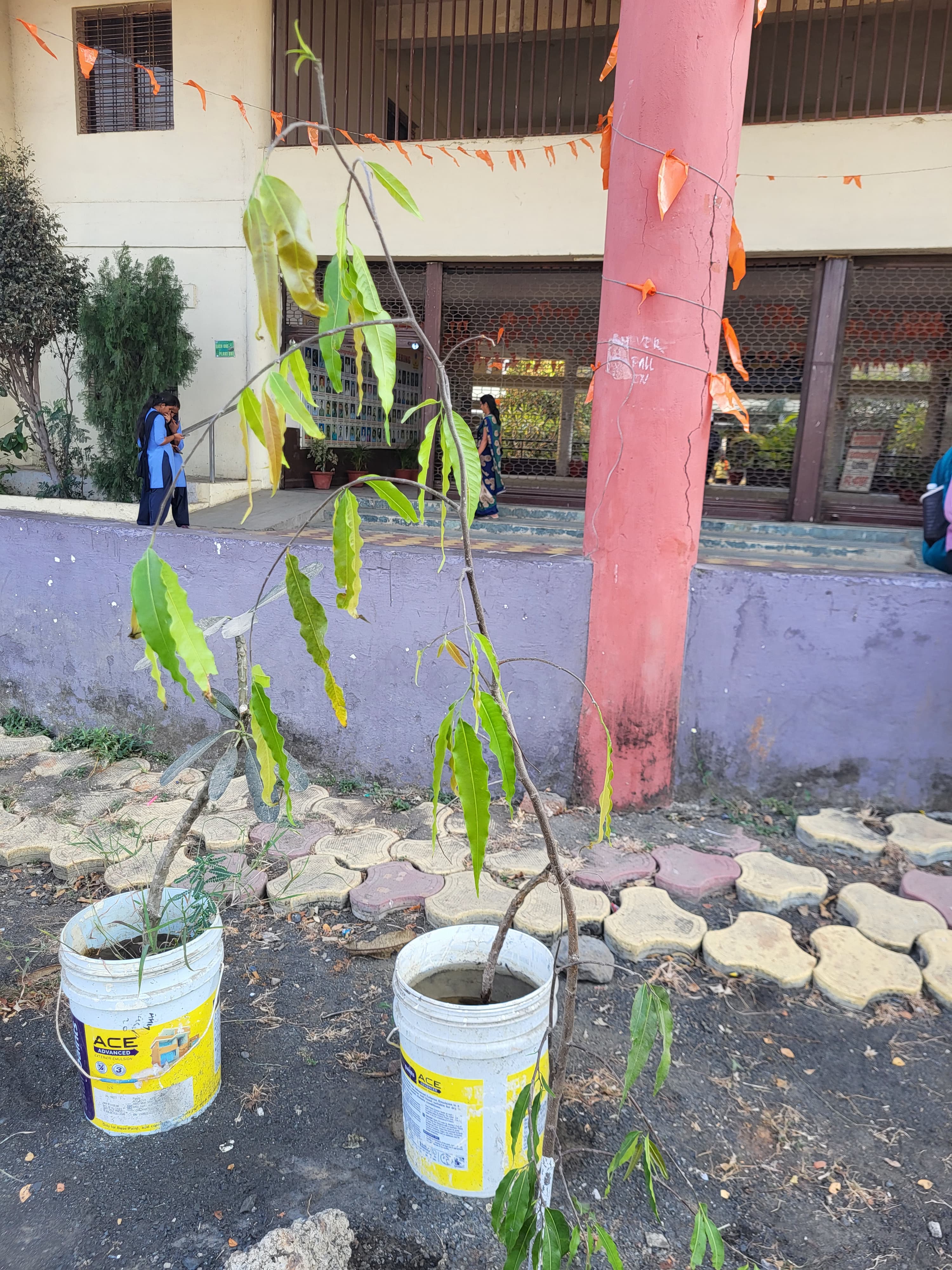
| Parameter | Details |
|---|---|
| Scientific Name | Saraca asoca |
| Common Name | Ashoka Tree, Sorrowless Tree |
| Family | Fabaceae |
| Type | Evergreen Tree |
| Leaf Type | Compound, Lanceolate, Dark Green |
| Flower Color | Bright Orange-Red to Yellow |
| Fruit Type | Flat, Oblong Pods |
| Water Requirements | Moderate to High; Prefers Moist Soil |
| Medicinal Uses | Yes (Used in Ayurvedic Medicine) |
| Medicinal Uses In Marathi | होय (आयुर्वेदिक औषधीत वापरले जाते) |
| Location in Garden | Near the main entrance |
"The Ashoka tree (Saraca asoca), also known as the Sorrowless Tree, is an evergreen tree belonging to the Fabaceae family. Native to India, Sri Lanka, and Southeast Asia, this tree is considered sacred in Hinduism and Buddhism. It is commonly planted in temples, gardens, and parks for its aesthetic appeal and cultural significance. The Ashoka tree has dark green, compound leaves and produces bright orange-red flowers in dense clusters. These flowers are fragrant and turn yellow with age, attracting bees and butterflies. The tree bears flat, oblong seed pods containing multiple seeds. It thrives in warm, humid climates, prefers moist, well-drained soil, and requires moderate to high watering. In Ayurvedic medicine, the Ashoka tree is highly valued. Its bark, leaves, and flowers are used to treat gynecological disorders, skin diseases, and digestive issues. It is believed to have anti-inflammatory, analgesic, and uterine tonic properties. Apart from its medicinal benefits, the Ashoka tree plays a crucial role in carbon dioxide absorption and oxygen production, improving air quality. Its dense foliage provides excellent shade, making it an ideal urban landscaping tree. With its cultural, medicinal, and environmental significance, the Ashoka tree remains a cherished species across South Asia."
"""अशोकाचे झाड (Saraca asoca), ज्याला दु:खनाशक वृक्ष म्हणूनही ओळखले जाते, हे फॅबेसी (Fabaceae) कुटुंबातील एक सदाहरित झाड आहे. भारत, श्रीलंका आणि आग्नेय आशियात मूळ असलेले हे झाड हिंदू आणि बौद्ध धर्मात पवित्र मानले जाते. त्याच्या सौंदर्य आणि सांस्कृतिक महत्त्वामुळे हे मंदिरांमध्ये, बागांमध्ये आणि उद्यानांमध्ये मोठ्या प्रमाणावर लावले जाते. अशोकाच्या झाडाला गडद हिरवी संयुक्त पाने असतात आणि ते चमकदार केशरी-लाल फुलांचे घनदाट झुपके निर्माण करते. ही फुले सुगंधित असतात आणि वयानुसार पिवळी होतात, ज्यामुळे मधमाश्या आणि फुलपाखरे आकर्षित होतात. हे झाड सपाट, लांबट बिया असलेल्या शेंगा निर्माण करते. ते उष्ण, दमट हवामानात चांगले वाढते, ओलसर व उत्तम निचरा असलेल्या मातीला प्राधान्य देते आणि मध्यम ते जास्त पाण्याची गरज असते. आयुर्वेदिक औषधांमध्ये अशोकाच्या झाडाला खूप महत्त्व आहे. त्याची साल, पाने आणि फुले स्त्रीरोगविषयक विकार, त्वचेसंबंधी आजार आणि पाचन समस्यांवर उपचार करण्यासाठी वापरली जातात. त्यात दाहशामक (anti-inflammatory), वेदनाशामक (analgesic) आणि गर्भाशय टॉनिक गुणधर्म असल्याचे मानले जाते. औषधी उपयोगांव्यतिरिक्त, अशोकाचे झाड कार्बन डायऑक्साइड शोषून प्राणवायू (ऑक्सिजन) सोडण्यात महत्त्वाची भूमिका बजावते, ज्यामुळे हवा स्वच्छ राहते. त्याची दाट फांद्या चांगली सावली निर्माण करतात, म्हणूनच ते शहरी सुशोभीकरणासाठी आदर्श झाड मानले जाते. याच्या सांस्कृतिक, औषधी आणि पर्यावरणीय महत्त्वामुळे अशोकाचे झाड दक्षिण आशियात खूप जपले जाते."""
Click the button below to download the file: