 ACE Tree Information
ACE Tree Information
ACE Tree Information
Here's information:
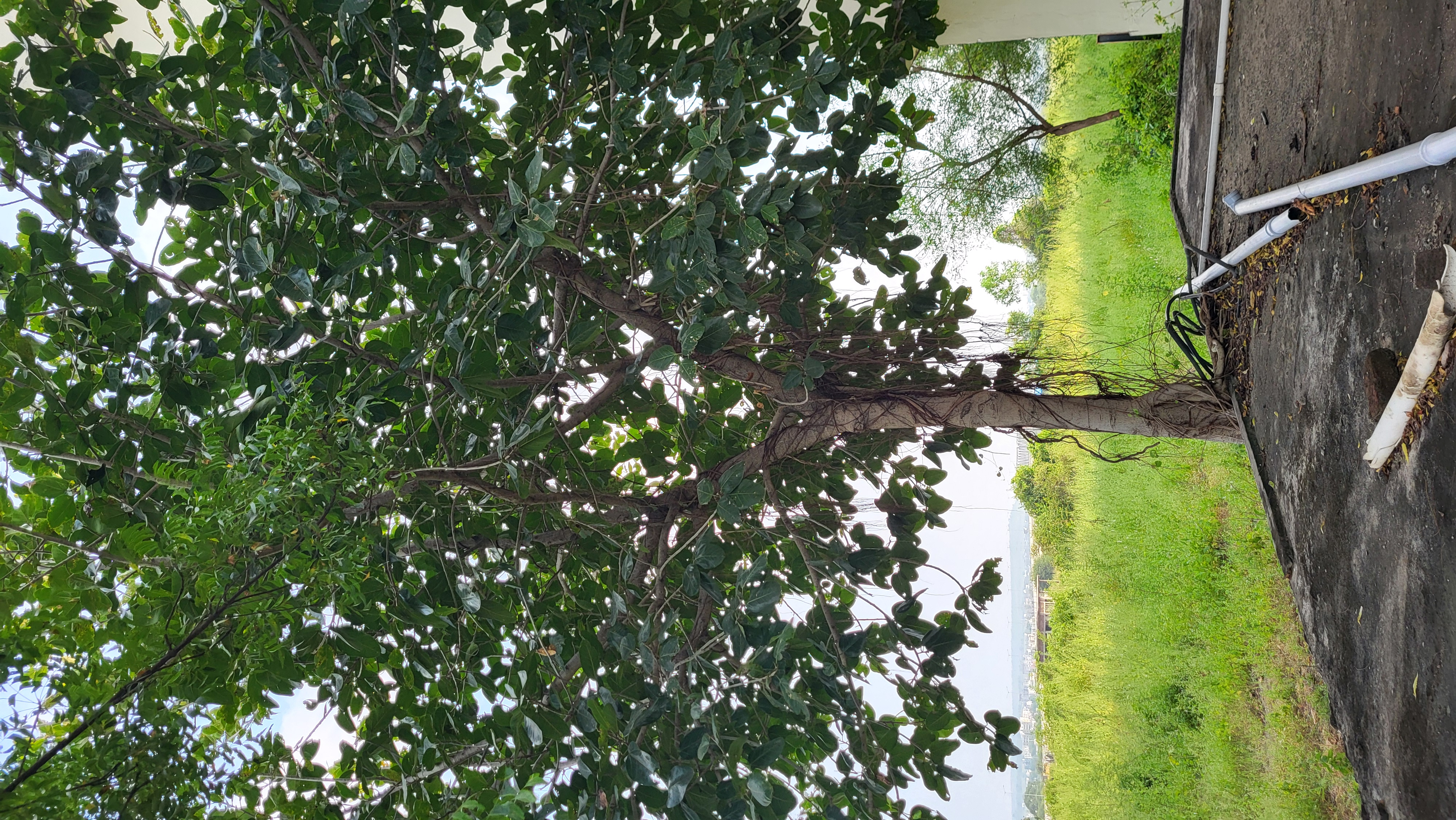
| Parameter | Details |
|---|---|
| Scientific Name | Ficus benghalensis |
| Common Name | Banyan Tree, Indian Banyan |
| Family | Moraceae |
| Type | Large Evergreen Tree |
| Leaf Type | Broad, leathery, oval-shaped leaves with a glossy texture |
| Flower Color | Inconspicuous (hidden inside the fig-like fruit) |
| Fruit Type | Small, round, reddish figs (not edible for humans but consumed by birds and animals) |
| Water Requirements | Moderate (requires well-drained soil and regular watering, but is drought-resistant once mature) |
| Medicinal Uses | Yes, Used in Ayurvedic medicine for treating skin diseases, diabetes, and digestive disorders. The bark and leaves have anti-inflammatory and antimicrobial properties. The latex/sap is used for healing wounds and relieving joint pain. |
| Medicinal Uses In Marathi | होय, आयुर्वेदिक औषधांमध्ये याचा उपयोग त्वचा रोग, मधुमेह आणि पचनासंबंधी तक्रारींच्या उपचारासाठी केला जातो. याच्या साल आणि पानांमध्ये दाहशामक (anti-inflammatory) आणि जंतुनाशक (antimicrobial) गुणधर्म असतात. याचा चिक/रस जखमा बऱ्या करण्यासाठी आणि सांधेदुखीपासून आराम मिळवण्यासाठी वापरला जातो. |
| Location in Garden | Near the main entrance |
"### **Banyan Tree (Ficus benghalensis) – 200-Word Summary** The **Banyan tree** (*Ficus benghalensis*) is a massive evergreen tree belonging to the **Moraceae** family. It is native to India and Southeast Asia and is known for its unique aerial roots that grow downward and form new trunks, allowing the tree to expand over a vast area. This characteristic makes the Banyan tree one of the largest trees in the world in terms of canopy coverage. The tree has large, leathery, and oval-shaped leaves that provide dense shade. It produces small, red, fig-like fruits, which are not edible for humans but attract birds and wildlife. The Banyan tree thrives in warm and humid climates, preferring well-drained soil and moderate watering. Once mature, it is highly drought-resistant. The Banyan tree has **medicinal properties**, as its bark, leaves, and sap are used in **Ayurvedic medicine** to treat skin conditions, diabetes, and digestive disorders. The tree plays a crucial environmental role by **absorbing carbon dioxide and releasing oxygen**, improving air quality. Considered **sacred in Indian culture**, the Banyan tree symbolizes longevity, wisdom, and strength. Its strong roots help prevent soil erosion, and it provides shelter to many animals, making it a vital part of the ecosystem."
"वडाचे झाड (Ficus benghalensis) – 200-शब्दांचा सारांश वडाचे झाड (Ficus benghalensis) हे एक प्रचंड सदाहरित वृक्ष असून मोरासी (Moraceae) कुटुंबाशी संबंधित आहे. भारत आणि दक्षिण पूर्व आशियामध्ये आढळणारे हे झाड हवाई मुळां मुळे प्रसिद्ध आहे, ज्या जमिनीकडे वाढतात आणि नवीन खोड निर्माण करून झाडाला प्रचंड क्षेत्रात पसरू देतात. या वैशिष्ट्यामुळे, वड हे छत्राच्या विस्ताराच्या दृष्टीने जगातील सर्वात मोठ्या झाडांपैकी एक आहे. या झाडाची मोठी, जाडसर आणि अंडाकृती पाने गडद सावली देतात. हे छोटे लाल अंजीरासारखे फळ निर्माण करते, जे मनुष्यांसाठी खाद्य नाहीत, परंतु पक्षी आणि इतर प्राण्यांना आकर्षित करतात. हे झाड उष्ण आणि दमट हवामानात उत्तम प्रकारे वाढते आणि चांगली निचरा होणारी माती तसेच मध्यम पाणी यांना प्राधान्य देते. एकदा परिपक्व झाल्यावर, हे झाड दुष्काळ-प्रतिरोधक बनते. आयुर्वेदिक उपचारांमध्ये, वडाच्या साली, पानांचा आणि चीकाचा उपयोग त्वचा विकार, मधुमेह आणि पचनासंबंधी समस्या यावर केला जातो. कार्बन डायऑक्साइड शोषून आणि ऑक्सिजन सोडून हे झाड पर्यावरणीय दृष्टीनेही महत्त्वपूर्ण आहे. भारतीय संस्कृतीत पवित्र वृक्ष म्हणून ओळखले जाणारे वड दीर्घायुष्य, ज्ञान आणि सामर्थ्य यांचे प्रतीक मानले जाते. याच्या मजबूत मुळ्या मृदा क्षरण (soil erosion) थांबवण्यास मदत करतात, तसेच अनेक प्राण्यांना आश्रयही देतात. त्यामुळे, हे पारिस्थितिक दृष्टिकोनातूनही एक अत्यंत महत्त्वाचे झाड आहे."
Click the button below to download the file: