 ACE Tree Information
ACE Tree Information
ACE Tree Information
Here's information:
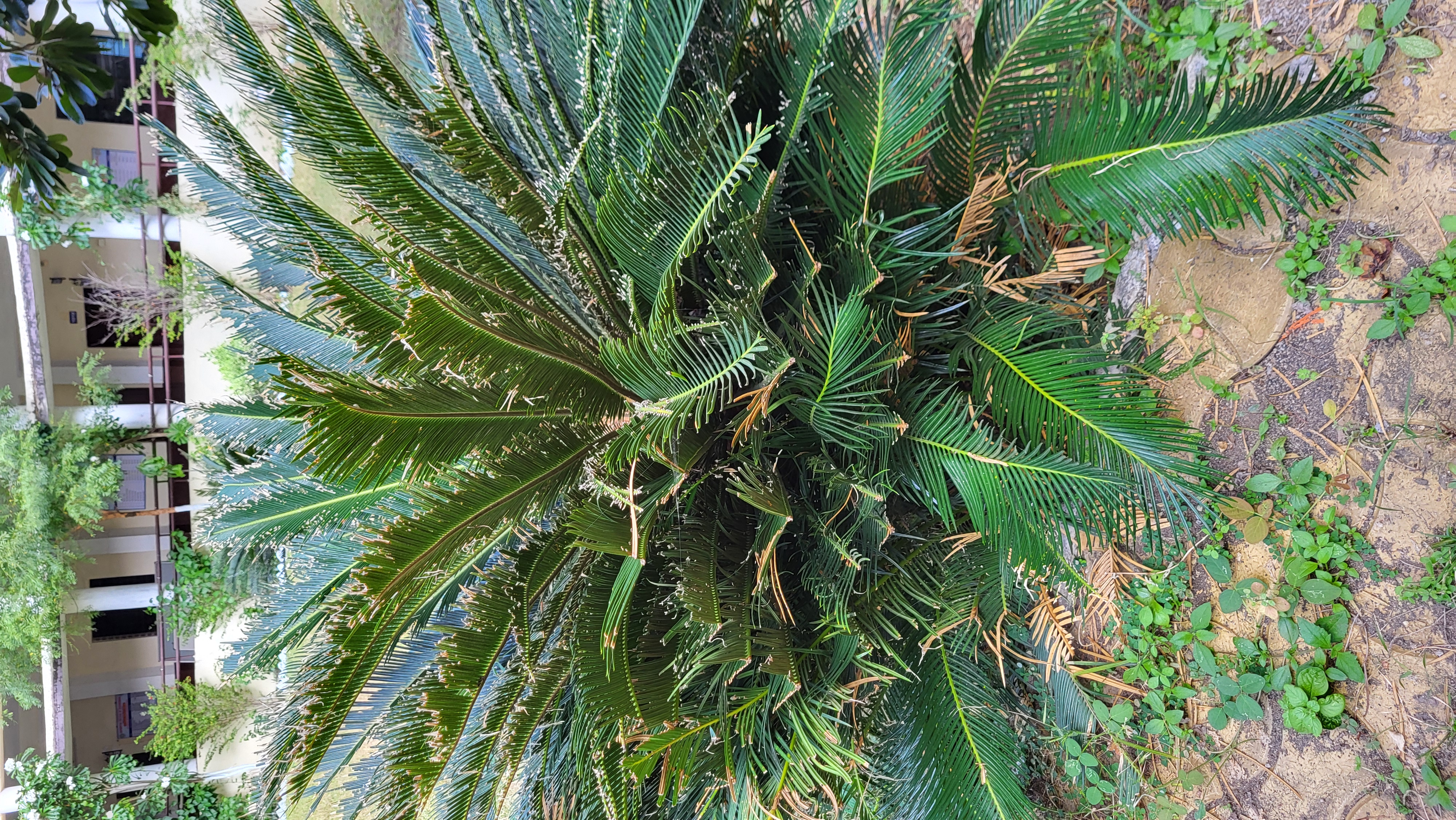
| Parameter | Details |
|---|---|
| Scientific Name | Cycas revoluta |
| Common Name | Sago Palm, King Sago, Japanese Sago Palm |
| Family | Cycadaceae |
| Type | Evergreen, slow-growing cycad |
| Leaf Type | Pinnate, dark green, stiff, and glossy leaves arranged in a rosette |
| Flower Color | Does not produce typical flowers; develops a cone-like reproductive structure |
| Fruit Type | Seeds enclosed in a cone; reddish-orange in color when mature |
| Water Requirements | Low to moderate; drought-tolerant but prefers well-drained soil |
| Medicinal Uses | No significant medicinal uses; toxic if ingested |
| Medicinal Uses In Marathi | कोणतेही औषधी उपयोग नाहीत; पचवले तर विषारी आहे. |
| Location in Garden | Near the main entrance |
"The Sago Palm (Cycas revoluta) is a slow-growing, evergreen cycad, often mistaken for a true palm due to its tropical, feather-like foliage. It is native to Japan and southern China and belongs to the Cycadaceae family, an ancient group of plants that have existed since the dinosaur era. This plant is widely grown as an ornamental feature in gardens and indoor spaces due to its attractive, stiff, dark green, glossy leaves that form a symmetrical rosette. Unlike flowering plants, the Sago Palm does not produce flowers but instead forms cone-like reproductive structures, with male plants producing pollen cones and female plants developing seed cones. The seeds turn reddish-orange when mature. Despite its beauty, this plant is highly toxic to humans, dogs, and cats, particularly the seeds and leaves, as they contain cycasin, which can cause severe poisoning if ingested. The Sago Palm is drought-tolerant, requiring low to moderate watering and well-drained soil. It plays a role in air purification by absorbing carbon dioxide and releasing oxygen. Due to its slow growth and long lifespan, it is often passed down through generations, making it a treasured addition to gardens worldwide."
"सागो पाम (Cycas revoluta) हा एक हळूहळू वाढणारा, शाश्वत सायकॅड आहे, जो त्याच्या उष्णकटिबंधीय, पिसासारख्या पानांमुळे खऱ्या पामसारखा समजला जातो. हा पौधा जपान आणि दक्षिण चीनचा मूळ असलेला आहे आणि Cycadaceae कुटुंबाशी संबंधित आहे, जो एक प्राचीन वनस्पती गट आहे जो डायनासोर युगापासून अस्तित्वात आहे. हा पौधा मुख्यत: बागांमध्ये आणि इनडोअर स्पेसमध्ये सजावटीसाठी उगवला जातो, त्याच्या आकर्षक, कठोर, गडद हिरव्या, चमकदार पानांसह, जे एक सममितीय रॉझेट तयार करतात. फुलांचा उत्पादन न करणारा हा सागो पाम त्याऐवजी शंकूसारखी पुनरुत्पादन संरचना तयार करतो, ज्यात मादी झाडांमध्ये बीज शंके तयार होतात आणि नर झाडे पollen शंके तयार करतात. बीजे परिपक्व झाल्यावर लालसर-नारिंगी रंगात बदलतात. याच्या सौंदर्याच्या बाबतीत, हा पौधा अत्यंत विषारी आहे, विशेषत: बीजे आणि पानं, ज्यामध्ये सायकासिन असतो, जो गिळल्यास गंभीर विषबाधा करू शकतो. सागो पाम हा सूखा सहन करणारा आहे, ज्याला कमी ते मध्यम पाणी आवश्यक आहे आणि चांगली निचऱ्याची माती हवी असते. हा हवा शुद्धीकरणात मदत करतो, कार्बन डायऑक्साइड शोषित करून आणि ऑक्सिजन सोडून. याच्या हळूहळू वाढीमुळे आणि दीर्घायुष्यमुळे, हे अनेक पिढ्यांमध्ये हस्तांतरित केले जाते आणि जगभरातील बागांमध्ये एक अमूल्य भाग बनते."
Click the button below to download the file: