 ACE Tree Information
ACE Tree Information
ACE Tree Information
Here's information:
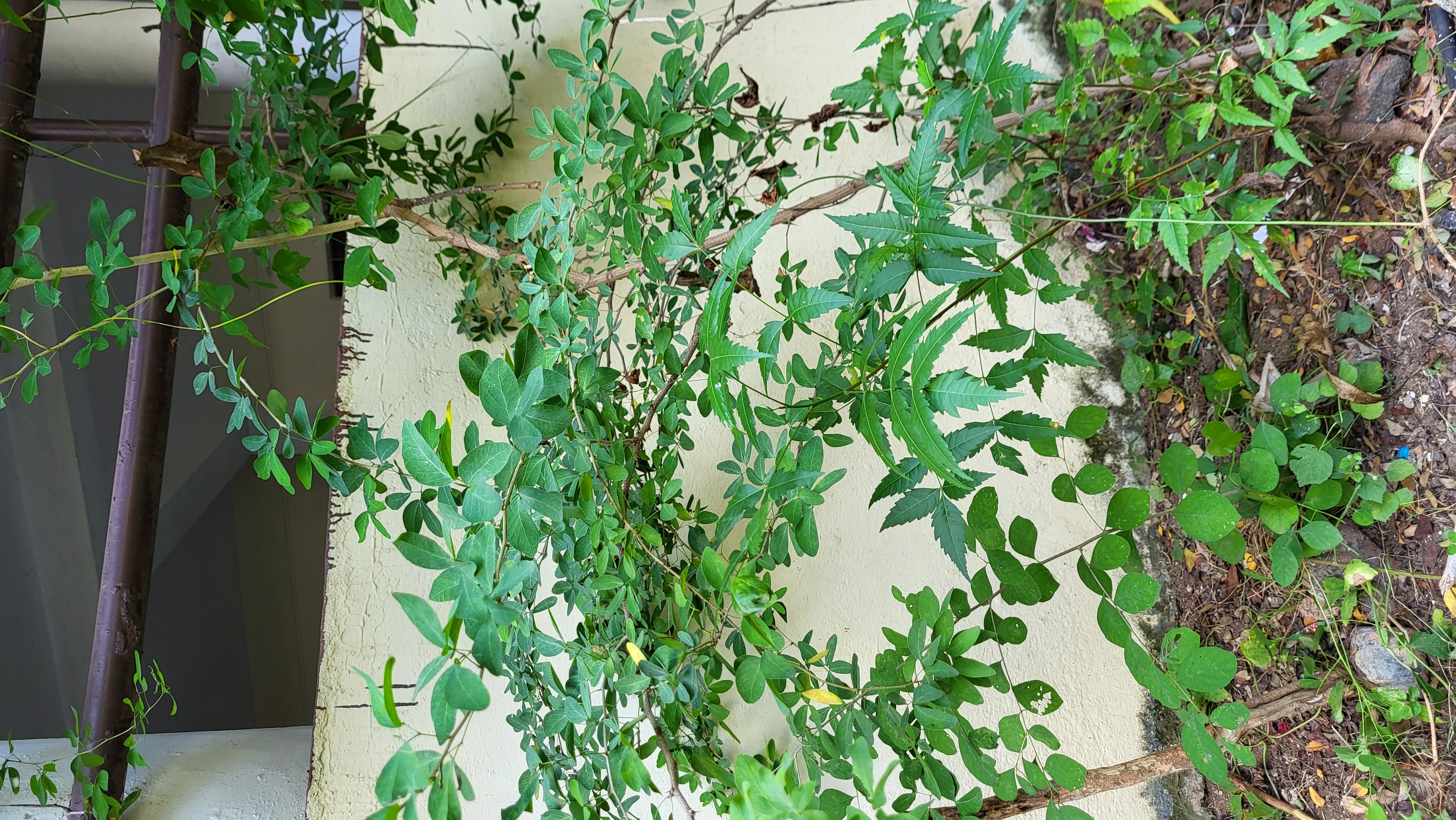
| Parameter | Details |
|---|---|
| Scientific Name | Pithecellobium dulce |
| Common Name | Madras Thorn, Manila Tamarind, Monkey Pod |
| Family | Fabaceae (Legume family) |
| Type | Medium-Sized, Fast-Growing, Deciduous Tree |
| Leaf Type | Compound, Bipinnate Leaves with Small Oval Leaflets |
| Flower Color | Greenish-White, Small, Fragrant Flowers in Clusters |
| Fruit Type | Curved, Bean-Like Pods with a Pinkish-Red, Sweet Edible Pulp |
| Water Requirements | Moderate to Low; Drought-Tolerant |
| Medicinal Uses | Used in Traditional Medicine for Digestive Health, Diabetes, and Wound Healing |
| Medicinal Uses In Marathi | पारंपरिक औषधांमध्ये वापरली जाते: पचन आरोग्य, मधुमेह, आणि जखमांच्या उपचारासाठी. |
| Location in Garden | Near the main entrance |
"The Madras Thorn (Pithecellobium dulce), also known as Manila Tamarind or Monkey Pod, is a fast-growing, medium-sized deciduous tree from the Fabaceae family. Native to Mexico and Central America, it has spread across India, the Philippines, and Southeast Asia due to its hardy nature and multiple uses. The tree thrives in dry, arid climates, making it a popular shade tree in hot regions. It grows up to 15–20 meters in height and has bipinnate compound leaves that fold at night. The tree produces small, fragrant, greenish-white flowers, which later develop into curved, bean-like pods. These pods contain pinkish-red pulp, which is sweet, tangy, and edible. People consume it raw or use it in local cuisine, chutneys, and snacks. The seeds, bark, and leaves have medicinal properties, traditionally used for treating digestive issues, diabetes, and wound healing. Madras Thorn is drought-tolerant, requiring moderate to low water, and thrives in poor, sandy soils. It is also used for soil stabilization and erosion control due to its strong root system. The tree plays a vital role in carbon dioxide absorption and oxygen production, contributing to better air quality. With its nutritional, medicinal, and ecological benefits, it remains an important tree in agriculture and forestry."
"मद्रास थॉर्न (Pithecellobium dulce), ज्याला मनीला तामारिंड किंवा माकड पॉड असेही ओळखले जाते, हे फॅबेसियाई कुटुंबातील एक वेगाने वाढणारे, मध्यम आकाराचे पर्णपाती झाड आहे. हे मूळचे मेक्सिको आणि मध्य अमेरिकेत आहे, पण त्याची टिकाऊ स्वभाव आणि विविध उपयोगांमुळे ते भारत, फिलिपिन्स आणि दक्षिण-पूर्व आशियात पसरले आहे. हे झाड कोरड्या, शुष्क हवामानात उत्तम वाढते, ज्यामुळे ते उष्ण भागांमध्ये छायेसाठी लोकप्रिय आहे. हे झाड 15-20 मीटर उंचीपर्यंत वाढू शकते आणि त्याची पर्णे रात्राळी वाकतात. हे झाड लहान, सुगंधी, हिरवट-श्वेत फुलांचे उत्पादन करते, जे नंतर वाकलेल्या, शेंगांसारख्या फडामध्ये रूपांतरित होतात. या शेंगांमध्ये गुलाबी-लाल गोड, चवदार आणि खाण्यायोग्य गुळासारखे मांस असते. लोक हे कच्चे खातात किंवा स्थानिक पदार्थ, चटणी आणि नाश्त्यात वापरतात. बी, साल आणि पर्णामध्ये औषधीय गुणधर्म असतात, पारंपरिकपणे पचन समस्या, मधुमेह आणि जखमांच्या उपचारासाठी वापरली जातात. मद्रास थॉर्न हे कोरडे सहन करणारे आहे, त्याला मध्यम ते कमी पाणी लागते, आणि ते गरीब, वाळवी मातीमध्ये उत्तम वाढते. मातीच्या स्थिरतेसाठी आणि गाळ नियंत्रणासाठी देखील त्याचा वापर केला जातो कारण त्याची मजबूत मुळांची प्रणाली आहे. हे झाड कार्बन डायऑक्साइड शोषून घेते आणि ऑक्सिजन निर्माण करते, जे हवामानाच्या गुणवत्तेला सुधारते. त्याच्या पोषणतत्त्व, औषधीय आणि पर्यावरणीय फायद्यांमुळे, हे शेती आणि वनवर्धनासाठी महत्त्वपूर्ण झाड राहते."
Click the button below to download the file: