 ACE Tree Information
ACE Tree Information
ACE Tree Information
Here's information:
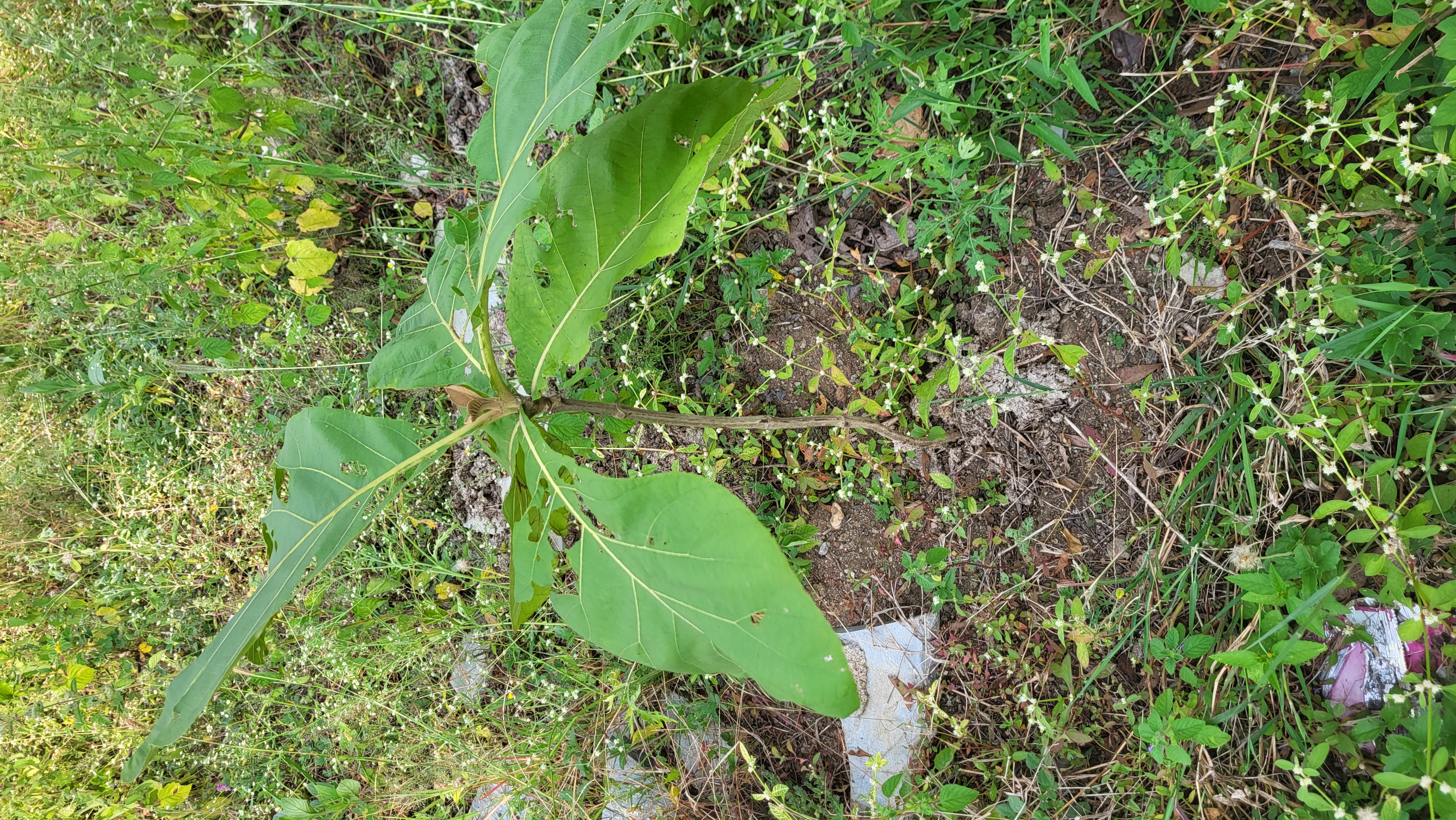
| Parameter | Details |
|---|---|
| Scientific Name | Tectona grandis |
| Common Name | Teak, Indian Teak |
| Family | Lamiaceae |
| Type | Tree |
| Leaf Type | Simple, large, and ovate leaves with a rough texture on the upper surface and hairy underside. |
| Flower Color | Small, white or pale lilac, and fragrant. |
| Fruit Type | Drupe (small, hard-shelled fruit containing seeds). |
| Water Requirements | Medium to high (requires well-drained soil and thrives in tropical climates). |
| Medicinal Uses | Yes. Leaves, bark, and wood have traditional medicinal uses for treating fever, inflammation, and headaches. Used as an astringent and in wound healing in Ayurvedic medicine | Medicinal Uses In Marathi | "होय. पाने, साल आणि लाकूड पारंपरिकरित्या ताप, सूज आणि डोकेदुखीच्या उपचारासाठी वापरले जाते. आयुर्वेदिक औषधांमध्ये याचा संकोचक (astringent) आणि जखम भरून काढण्यासाठी वापर केला जातो." |
| Location in Garden | Near the main entrance |
**Tectona grandis**, commonly known as Teak, is a large deciduous tree belonging to the family Lamiaceae. Native to South and Southeast Asia, it is one of the most valuable timber trees globally, renowned for its durable and water-resistant wood. Teak can grow up to 30–40 meters tall and thrives in tropical climates with distinct wet and dry seasons. The tree has large, ovate leaves with a rough texture and small, fragrant white or pale lilac flowers that bloom in clusters. Teak produces drupe-like fruits, which contain seeds and aid in its propagation. It has medium to high water requirements and prefers well-drained soils. In addition to its economic importance, Teak contributes significantly to environmental sustainability. As a long-lived tree, it sequesters substantial amounts of carbon dioxide and releases oxygen, playing a vital role in combating climate change. Teak also has medicinal uses. Its leaves, bark, and wood have been used in traditional medicine to treat fever, inflammation, headaches, and wounds. Its natural oils repel termites and fungi, making it highly sought after for furniture, flooring, and shipbuilding. Teak is not only an ecological and economic asset but also a symbol of strength and longevity in forestry and agriculture.
"टेक्टोना ग्रँडिस (Tectona grandis), ज्याला सामान्यतः सागवान (Teak) म्हटले जाते, हा मोठा पानगळी (deciduous) वृक्ष असून तो Lamiaceae कुटुंबातील आहे. हा वृक्ष मुख्यतः दक्षिण आणि दक्षिणपूर्व आशियाचा मूळ निवासी असून, जगातील सर्वात मौल्यवान लाकडी झाडांपैकी एक मानला जातो. त्याच्या लाकडाला टिकाऊपणा आणि पाण्याचा प्रतिकार करण्याची विशेषता असते. सागवान 30–40 मीटर उंच वाढू शकतो आणि विशिष्ट ओलसर व कोरड्या ऋतू असलेल्या उष्णकटिबंधीय हवामानात उत्तम प्रकारे वाढतो. त्याची पाने मोठी, अंडाकृती (ovate) आणि खरखरीत पोत असलेली असतात, तर त्याची फुले लहान, सुवासिक, पांढऱ्या किंवा फिकट जांभळ्या रंगाची असतात आणि गुच्छामध्ये फुलतात. सागवान वृक्ष ड्रूप सारखे फळ उत्पन्न करतो, ज्यामध्ये बिया असतात आणि त्यामुळे त्याच्या पुनरुत्पत्तीला मदत होते. त्याला मध्यम ते जास्त प्रमाणात पाण्याची गरज असते आणि चांगल्या निचऱ्याची माती पसंत असते. आर्थिक महत्त्वाच्या जोडीला, सागवान पर्यावरणाच्या शाश्वततेतही मोठा वाटा उचलतो. दीर्घायुषी वृक्ष असल्यामुळे तो मोठ्या प्रमाणात कार्बन डायऑक्साइड शोषून घेतो आणि ऑक्सिजन सोडतो, ज्यामुळे हवामान बदलावर सकारात्मक परिणाम होतो. सागवानाला औषधी गुणधर्म देखील आहेत. याची पाने, साल आणि लाकूड पारंपरिक औषधांमध्ये ताप, सूज, डोकेदुखी आणि जखमांच्या उपचारांसाठी वापरले जाते. त्यातील नैसर्गिक तेलांमुळे तो दीमक आणि बुरशीपासून सुरक्षित राहतो, त्यामुळे फर्निचर, फ्लोअरिंग आणि जहाज बांधणीसाठी याला मोठ्या प्रमाणावर मागणी असते. सागवान हा केवळ पर्यावरणीय आणि आर्थिक दृष्टिकोनातून महत्त्वाचा नाही, तर तो वनीकरण आणि कृषी क्षेत्रातही ताकद आणि दीर्घायुष्याचे प्रतीक मानला जातो."
Click the button below to download the file: