 ACE Tree Information
ACE Tree Information
ACE Tree Information
Here's information:
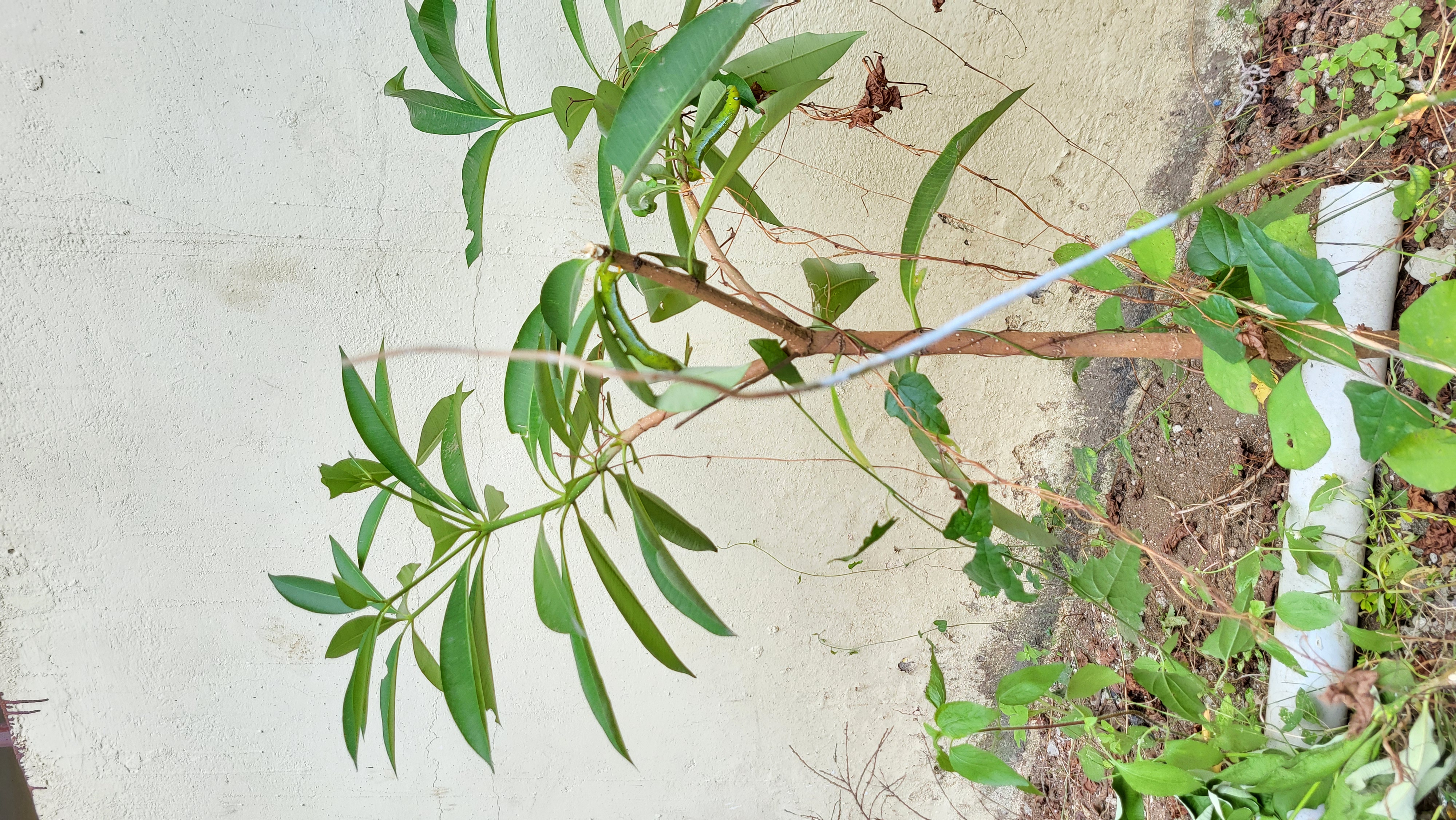
| Parameter | Details |
|---|---|
| Scientific Name | Mangifera indica |
| Common Name | Mango Tree |
| Family | Anacardiaceae |
| Type | Evergreen Tree |
| Leaf Type | Simple, lanceolate, dark green, leathery leaves |
| Flower Color | Small, yellowish-white flowers in panicles |
| Fruit Type | Drupe (Mango) – fleshy, varies in size, shape, and color (green, yellow, red) |
| Water Requirements | Moderate to high (prefers deep, well-drained soil) |
| Medicinal Uses | "Yes Leaves, bark, flowers, and fruit are used in traditional medicine Helps treat diabetes, diarrhea, dysentery, and respiratory infections Mango leaves have antioxidant and anti-inflammatory properties Mango fruit is rich in vitamins A, C, and E, beneficial for skin, immunity, and digestion" |
| Medicinal Uses In Marathi | होय, पाने, साल, फुले आणि फळे पारंपरिक औषधांमध्ये वापरली जातात. हे मधुमेह, अतिसार, आमांश आणि श्वसनसंस्थेच्या संक्रमणाच्या उपचारासाठी उपयुक्त आहे. आंब्याच्या पानांमध्ये अँटीऑक्सिडंट आणि दाहशामक गुणधर्म असतात. आंब्याचे फळ जीवनसत्त्वे A, C आणि E ने समृद्ध आहे, जे त्वचा, रोगप्रतिकारक शक्ती आणि पचनासाठी फायदेशीर आहे. |
| Location in Garden | Near the main entrance |
"Mangifera indica, commonly known as the Mango Tree, is a large evergreen tree from the Anacardiaceae family, native to South Asia, particularly India, Bangladesh, and Myanmar. It is widely grown in tropical and subtropical regions worldwide due to its delicious fruit and economic importance. The tree has dark green, leathery leaves, and produces small yellowish-white flowers in large clusters. Its fruit, the mango, is a fleshy drupe, varying in size, shape, and color (green, yellow, or red). Mango trees require moderate to high water levels and deep, well-drained soil. The plant is highly beneficial, not just for its fruit but also for its medicinal properties. Different parts of the plant, including leaves, bark, flowers, and fruit, are used to treat diabetes, digestive disorders, and respiratory infections. Mango fruit is rich in vitamins A, C, and E, supporting skin health, immunity, and digestion. Environmentally, mango trees play a crucial role in absorbing carbon dioxide and releasing oxygen, improving air quality. The tree can live for over 100 years, making it a long-lasting contributor to the ecosystem. Due to its nutritional, medicinal, and economic value, the mango tree remains one of the most important trees in the world."
"Mangifera indica, ज्याला आंब्याचे झाड म्हणतात, हे अनाकार्डिएसी (Anacardiaceae) कुटुंबातील एक मोठे सदाहरित झाड आहे, जे दक्षिण आशियातील, विशेषतः भारत, बांगलादेश आणि म्यानमारचे मूळ आहे. त्याच्या चविष्ट फळांमुळे आणि आर्थिक महत्त्वामुळे ते उष्णकटिबंधीय आणि उपोष्णकटिबंधीय प्रदेशांमध्ये मोठ्या प्रमाणावर लागवड केले जाते. या झाडाच्या पानांचा रंग गडद हिरवा आणि पोत चमकदार व चामड्यासारखा असतो, तसेच हे झाड मोठ्या झुबक्यांमध्ये लहान पिवळसर-पांढऱ्या रंगाची फुले फुलवते. त्याचे फळ, आंबा, एक रसाळ आणि गोड फल आहे, ज्याचा आकार, स्वरूप आणि रंग (हिरवा, पिवळा किंवा लाल) वेगवेगळा असतो. आंब्याच्या झाडाला मध्यम ते उच्च पाण्याची गरज असते आणि खोल, चांगली निचरा होणारी माती लागते. हे झाड फक्त त्याच्या फळांसाठीच नव्हे, तर त्याच्या औषधी गुणधर्मांसाठीही उपयुक्त आहे. झाडाची पाने, साल, फुले आणि फळे यांचा उपयोग मधुमेह, पचनाचे विकार आणि श्वसन संसर्ग यावर उपचार करण्यासाठी केला जातो. आंब्याचे फळ जीवनसत्त्वे A, C आणि E ने समृद्ध आहे, जे त्वचेसाठी, रोगप्रतिकारशक्तीसाठी आणि पचनासाठी फायदेशीर आहे. पर्यावरणाच्या दृष्टीने, आंब्याचे झाड कार्बन डायऑक्साइड शोषून ऑक्सिजन सोडण्यात महत्त्वाची भूमिका बजावते, ज्यामुळे हवेच्या गुणवत्तेत सुधारणा होते. हे झाड 100 पेक्षा जास्त वर्षे जगू शकते, त्यामुळे हे पर्यावरणात दीर्घकाळ योगदान देणारे एक महत्त्वाचे झाड आहे. पोषणमूल्ये, औषधी उपयोग आणि आर्थिक महत्त्वामुळे आंब्याचे झाड हे जगातील सर्वात महत्त्वाचे वृक्षांपैकी एक आहे."
Click the button below to download the file: